
I’ve spent fifteen years modelling slot maths and running simulations, so I know exactly how a house edge shifts when a rule changes. In blackjack, the surrender option is one of those quiet rule tweaks that can tilt the maths in your favour if you use it properly. We’re sitting down to break it down for the Australian crowd, no fluff, just the hands-on walk that actually matters when you’re at the felt.
When you spot a pair of tens against a dealer’s nine, folding early saves you half a bet that would otherwise be lost to the inevitable draw. For a deeper breakdown of the exact scenarios where this move pays off, check out the guide on blackjack con surrender. Mastering that timing is what separates a casual player from someone who actually understands the underlying probabilities.
When the Dealer Shows an Ace or Ten
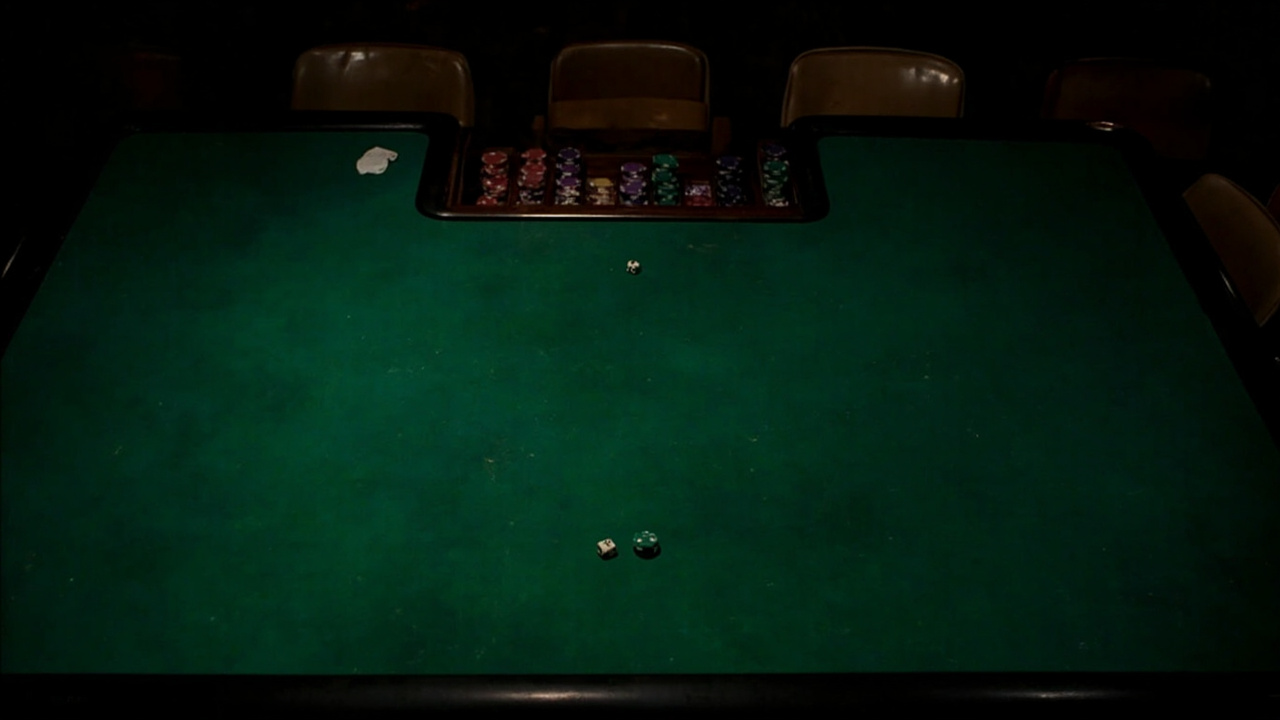
You hit the table, the cards land, anddesireespinnerevents.com the dealer’s up-card reads an ace or a ten. That’s the moment surrender lives or dies. If you’ve got a hard sixteen against a dealer ten, or a hard fifteen against an ace, folding your hand before the dealer checks for blackjack saves you half the bet instead of the usual full loss. It’s a defensive move, plain and simple, and it only makes sense when the odds are stacked so heavily against you that taking the full swing isn’t worth the risk. I’ve built simulation models for pokies where a single rule change flips the return by a fraction of a percent, and blackjack surrender works the same way – it’s a small edge that compounds if you apply it consistently rather than guessing on gut feel. If you’re still getting your head around the wider rulebook, the team over at queenofthenilepokie.net have laid out their take on the broader table options, which is a fair starting point before you lock in your own play style.
Reading the Right Hands to Fold
You don’t surrender every weak hand, and that’s where most casual players trip up. The sweet spot is hard totals of fifteen or sixteen when the dealer’s up-card is a nine, ten, or ace. Soft hands rarely justify folding because the ace gives you room to swing back, and pairs like eight-eight are usually better split than surrendered. Brisbane locals who play the weekend arvo sessions at the bigger venues will tell you they only reach for surrender when the math is screaming at them, not when they’re just nervous about a bad run. I’ve sat in on table observations where players surrendered twelve against a dealer two, which is a waste – the dealer busts that scenario often enough that you’re throwing away chips for no reason. A clear guide to smarter play when you’re weighing whether to keep a weak hand or fold early can save you from those emotional calls, and it’s worth reading through before you commit real chips to the felt.
How the Table Actually Handles the Move
When you decide to surrender, the process is straightforward but you’ve got to nail the timing. The dealer won’t start the next round until all active hands are settled, so you’ve got a narrow window to signal your choice before the shoe moves on. Here’s the sequence you’ll run through at a live table:
- Place your initial bet and receive your two cards.
- Check the dealer’s up-card before you act on your hand.
- If the total and dealer card meet your surrender threshold, say “surrender” clearly before drawing or standing.
- The dealer collects half your bet and removes your cards from play.queenofthenilepokie.net
- The round continues with the remaining hands, and you collect or lose the rest of the table’s action as normal.
I’ve run logic specs for game tables where the surrender call has to be registered before any player action else it defaults to a stand, and that’s how most Australian floors run it too. Capping a bet by adding chips after a result is caught on camera, and the same kind of strict timing applies to surrender – you call it before you touch your hand, not after you’ve seen the dealer’s hole card. Cooper Taylor, Head of Live Casino, Pacific Wager Analytics, reckons the biggest mistake players make is hesitating too long, because the window closes fast and the floor staff will move the round on without waiting for a second guess.

Where It Fits in Your Overall Play
Surrender isn’t a magic fix, and it won’t turn a losing session into a winning one, but it does trim the downside on the worst spots in the game. If you’re playing a six-deck table where the dealer stands on soft seventeen and surrender is allowed, you’re looking at a modest reduction in the house edge on those specific hands, which is enough to keep your bankroll breathing longer over a busy arvo. I’ve modelled payout structures for pokies where a small rule tweak changes the volatility curve, and blackjack surrender does the same thing – it smooths out the sharpest drops without promising anything guaranteed. Cameron Ryan, Lead Gaming Analyst, Outback Gaming Research, points out that the real value comes from discipline, because players who surrender the right hands but then overbet on the next round are just shifting their losses around rather than fixing the underlying play. Isla Henderson, Strategy Director, Gold Coast Gaming Network, notes that Australian researchers have led global academic work on poker machine design and gambling harm, and the same kind of careful, evidence-based approach applies here – you use surrender as a tool, not a crutch, and you keep your bets measured so the maths actually works for you over time.